Selecting the right tableware for your business goes far beyond aesthetics. For catering companies, restaurants, food trucks and hospitality venues, every plate, bowl and piece of cutlery must perform under real-world conditions — while also reflecting your commitment to sustainability. This guide walks you through the key factors to consider when choosing eco-friendly tableware.
1. Understand Your Use Case
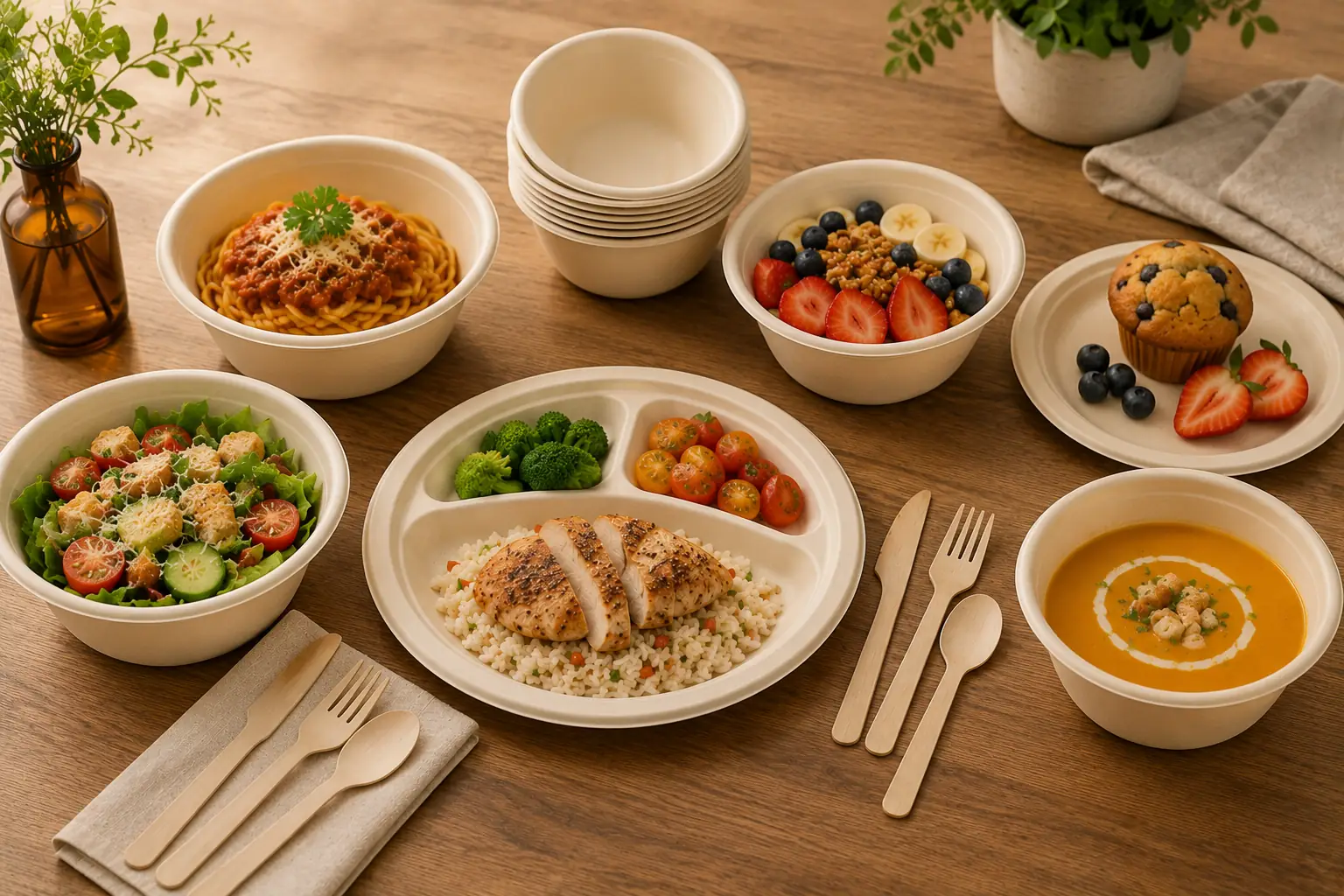
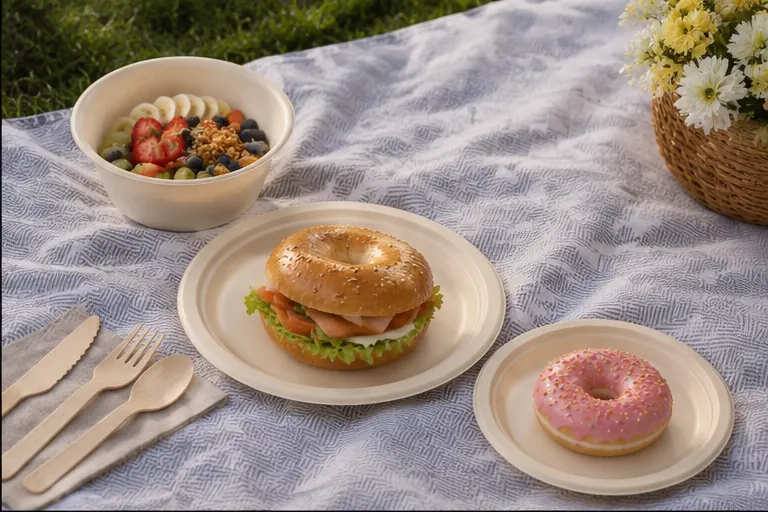
Start by mapping out exactly how the tableware will be used. Will it hold hot, greasy or saucy dishes? Is it for dine-in service, takeaway or large-scale events? Indoor or outdoor? Bamboo fibre tableware, for example, is naturally heat-resistant and sturdy, making it ideal for both hot meals and cold salads. Wooden cutlery offers a premium feel for dine-in settings but is equally practical for food delivery.
2. Evaluate Durability and Performance
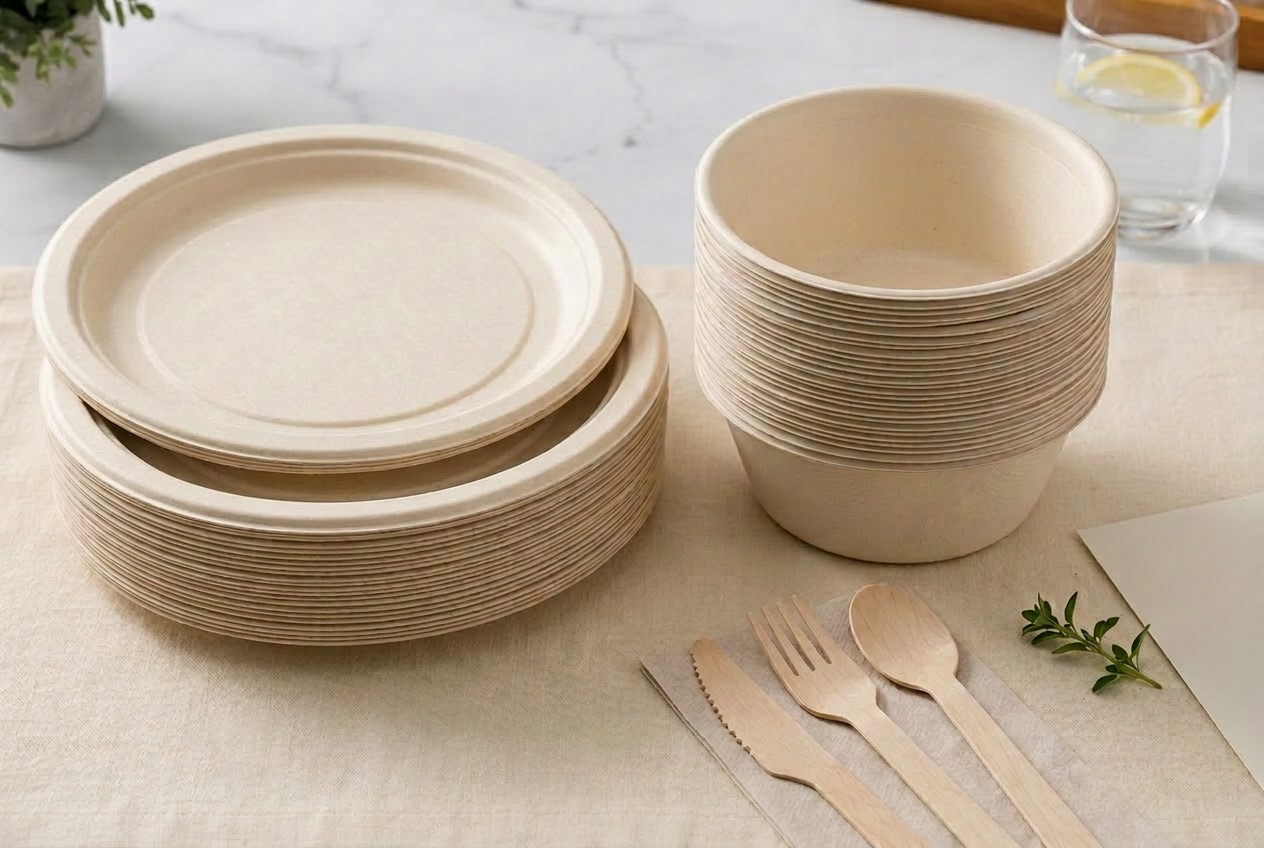
A common misconception about eco-friendly tableware is that it is fragile or flimsy. High-quality bamboo fibre products are remarkably durable — resistant to cracking, sagging and leaking. When evaluating options, ask for samples and test them with your actual menu items. Pressed bamboo fibre plates and bowls hold their shape even under generous portions, and their natural texture adds a rustic elegance to presentation.
3. Consider Cost Per Use
While the upfront cost of sustainable tableware can be slightly higher than cheap plastic alternatives, the total cost of ownership often tells a different story. Factor in customer perception, brand value, waste disposal savings and potential regulatory fines. Many businesses find that the investment in quality eco-friendly tableware pays for itself through increased customer satisfaction and loyalty.
4. Check Certifications and Standards
Not all "eco-friendly" claims are equal. Look for products that carry recognised certifications such as FDA approval for food contact, compostability standards and sustainable sourcing credentials. Transparent manufacturers will provide documentation on materials, production processes and end-of-life disposal options. This diligence protects your business and gives you confidence in your supply chain.
5. Match Your Brand Identity
Your tableware is part of your brand experience. The natural cream-white tones of pressed bamboo fibre plates, the organic grain of wooden cutlery and the clean lines of compostable clamshells all communicate a message of care and quality. Choose designs and finishes that align with your visual identity — whether that is rustic and artisanal, modern and minimal, or bold and contemporary.
Final Thoughts
The right eco-friendly tableware is an investment in your brand, your customers and the planet. By taking the time to understand your operational needs, test product quality and align with your values, you make a choice that benefits your business today and tomorrow.