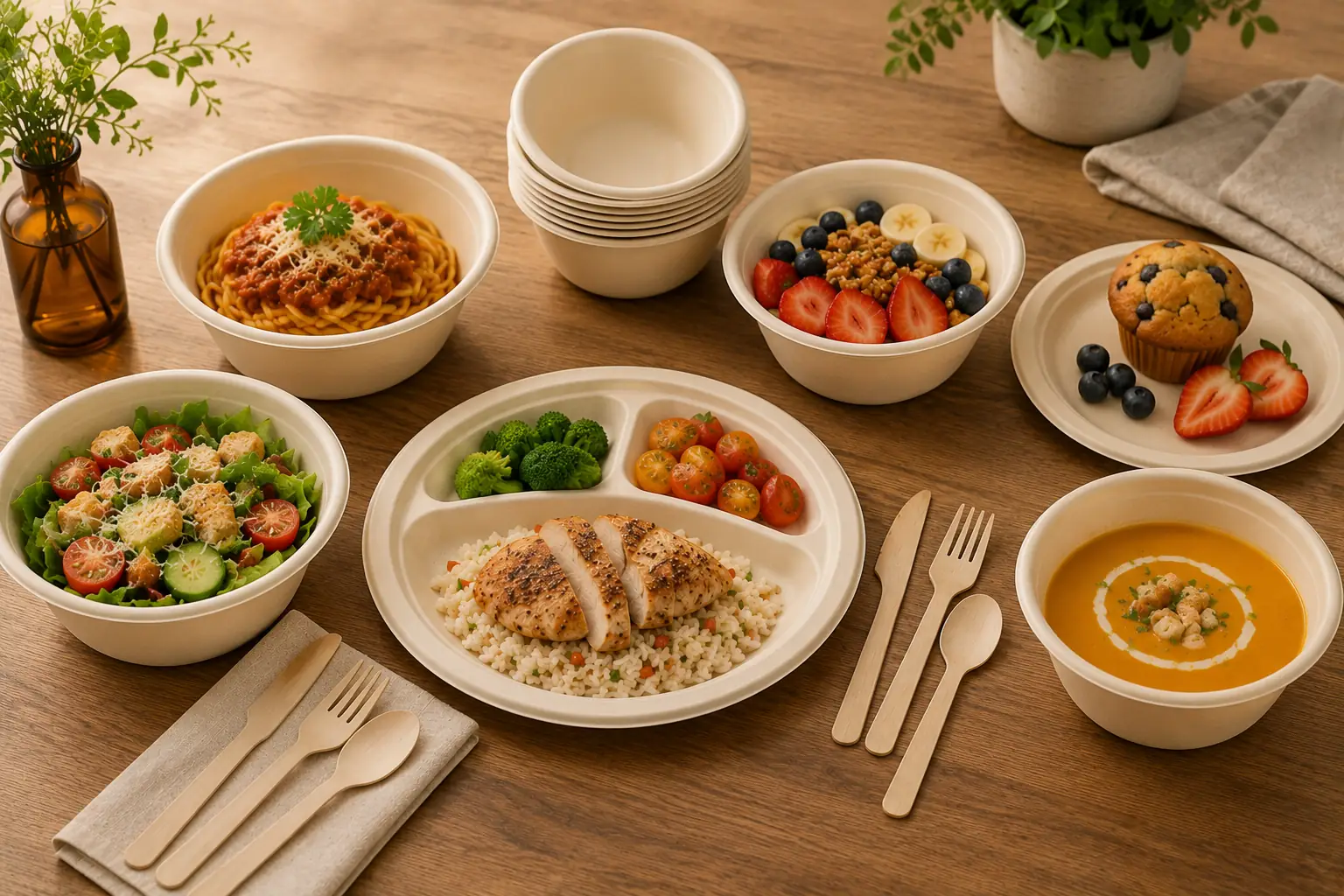

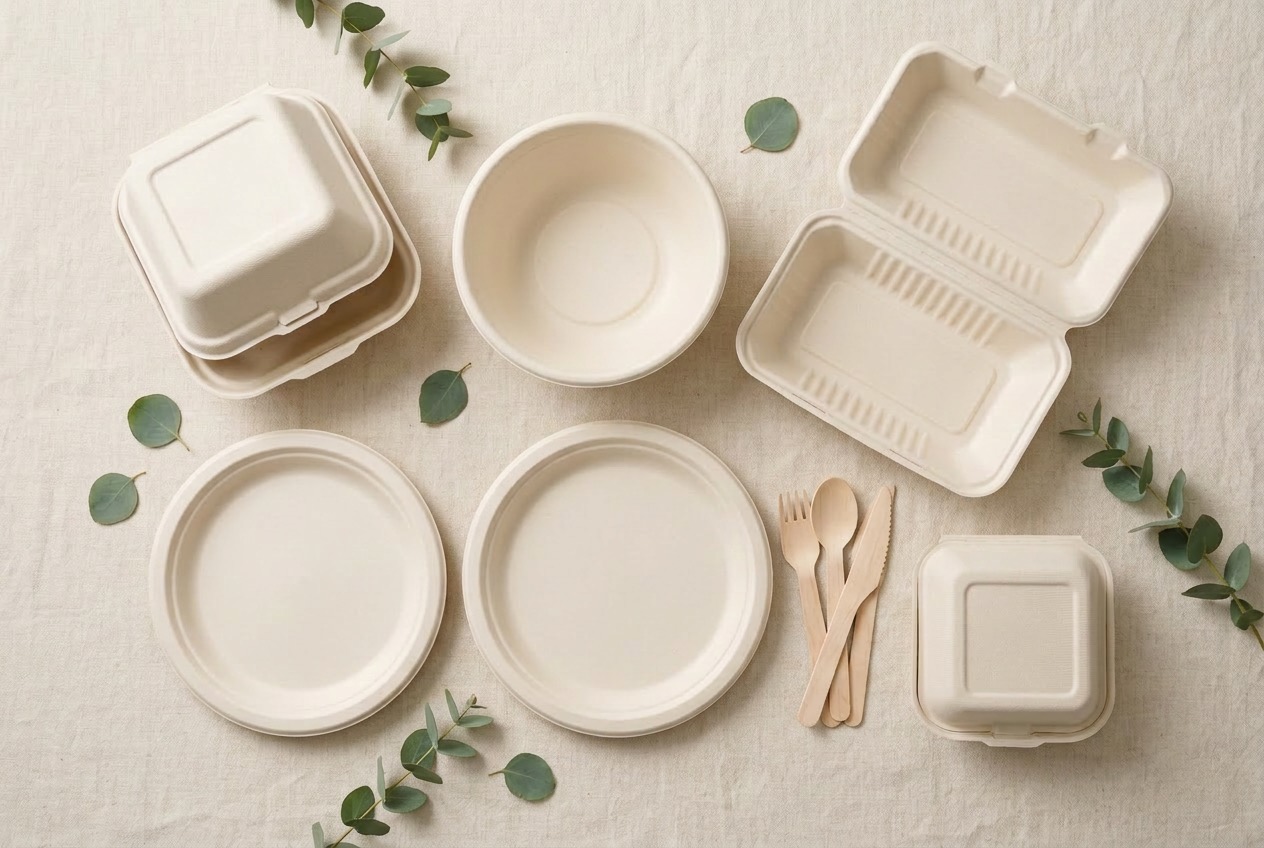
In a world where environmental responsibility is no longer optional, the packaging choices your business makes speak volumes about your values. Sustainable food packaging has evolved from a niche preference into a core expectation for consumers, regulators and business partners alike.
The Environmental Imperative
Every year, millions of tonnes of single-use plastic packaging end up in landfills and oceans. Traditional food packaging — made from petroleum-based plastics, styrofoam and laminated materials — can take centuries to decompose, leaching harmful chemicals into soil and waterways. By contrast, compostable packaging made from bamboo fibre, sugarcane bagasse and other plant-based materials breaks down naturally within months, returning nutrients to the earth rather than leaving toxic residue.
Consumer Demand is Driving Change
Modern consumers are more informed and environmentally conscious than ever before. Studies consistently show that a majority of customers are willing to pay a premium for products with sustainable packaging. More importantly, they are increasingly likely to switch brands if they perceive packaging to be excessive or harmful to the environment. For food-service businesses, this presents both a challenge and an opportunity: those who lead on sustainability gain a powerful competitive edge.
Brand Reputation and Trust
Sustainable packaging is a visible signal of corporate responsibility. When a customer receives their meal in a compostable clamshell or eats from a bamboo-fibre plate, they associate your brand with care — for their health, for the planet and for future generations. This trust translates directly into loyalty, word-of-mouth recommendations and stronger long-term customer relationships.
Regulatory Momentum
Governments across the globe are tightening regulations on single-use plastics. Bans on plastic cutlery, straws, stirrers and certain types of food containers are already in effect in the EU, UK and many other regions. Businesses that proactively switch to sustainable alternatives not only stay ahead of compliance requirements but also avoid the disruption of last-minute transitions.
The Bottom Line
Sustainable food packaging is not just the right thing to do — it is a smart business decision. Reduced waste disposal costs, improved brand perception, regulatory compliance and alignment with customer values all contribute to a stronger, more resilient operation. The question is no longer whether your business can afford to switch to eco-friendly packaging, but whether it can afford not to.